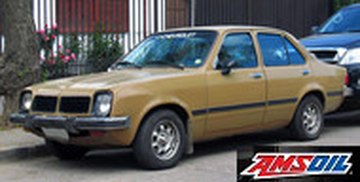
Diesel Engine Care for the 1981 Chevrolet CHEVETTE 1.8L
Maintaining a diesel-powered vehicle requires a specific approach to lubrication and routine inspections. For the 1981 Chevrolet CHEVETTE equipped with the 1.8L Diesel engine, consistent attention to fluid health and mechanical integrity is essential for long-term operation. Because diesel engines operate under different thermal and pressure conditions than gasoline counterparts, understanding the nuances of their maintenance can help an owner manage the vehicle effectively as it ages.
Monitoring Fluid Integrity and Potential Leaks
One of the most effective ways to monitor the health of a 1.8L Diesel engine is through regular visual inspections of the engine bay and undercarriage. Rather than waiting for a significant failure, an owner should look for subtle signs of fluid movement. This includes checking around various sealing surfaces and gaskets for any evidence of seepage or active leakage.
When performing these checks, it is useful to look for:
- Dampness or staining on the engine block or surrounding components.
- Accumulations of fluid in the lower areas of the engine compartment.
- Puddles forming beneath the vehicle after it has been parked for an extended period.
If any signs of leakage are discovered, they should be investigated promptly. While a small amount of seepage might be expected in older engines, an increase in the rate of leakage or the appearance of new stains can indicate that a seal or gasket may require attention. Identifying these issues early can prevent more significant mechanical complications later on.
Observing Operational Indicators
Beyond visual inspections, paying close attention to how the engine behaves during operation provides critical information. Changes in the way the vehicle runs can often be early indicators of maintenance needs. For instance, if you notice an unusual change in the sound of the engine or a shift in its typical operating rhythm, this warrants a closer inspection.
It is important to remember that various symptoms can have multiple underlying causes. An unusual noise or a change in exhaust characteristics does not automatically point to one specific component; instead, these signs should be viewed as prompts for further diagnostic investigation. Similarly, if you notice any changes in how the engine consumes fluids, such as oil or coolant, this should be documented and addressed. Monitoring these trends allows an owner to distinguish between normal aging and a developing issue that requires professional service.
Prioritizing Maintenance Through Documentation
For owners of a 1981 Chevrolet CHEVETTE, establishing a clear history of what has been done to the vehicle is one of the most practical steps toward effective ownership. If you have recently acquired this vehicle and do not have access to previous service records, your first priority should be to establish a maintenance baseline. This involves performing a thorough inspection of all current fluids, filters, and accessible mechanical components to determine their present condition.
Once a baseline is established, keeping detailed records becomes vital. Documenting the dates and details of every oil change, filter replacement, and repair helps in identifying patterns. For example, if you notice that fluid levels are being replenished more frequently than they were six months ago, your records will provide the context necessary to recognize this as a change in condition. This organized approach allows for proactive maintenance rather than reactive repairs, helping you prioritize tasks based on actual wear and usage rather than guesswork.
Managing Aging Components and Systems
As vehicles from the early 1980s continue to be operated, certain components naturally undergo changes due to age and thermal cycling. When inspecting a 1.8L Diesel engine, it is wise to look at more than just the engine itself. If equipped, accessible drive belts should be checked for signs of deterioration such as cracking, glazing, or fraying. Similarly, if present, rubber hoses should be inspected for softness, swelling, or brittleness.
Electrical connections and wiring also benefit from periodic inspection. Ensuring that connectors are secure and free from excessive corrosion can prevent intermittent issues. When approaching maintenance on an older vehicle, the goal is to use the current condition of the parts as your guide. Rather than replacing components simply because they have reached a certain age, focus on those that show physical signs of wear or those that are critical to the engine's reliable operation.
Effective Inspection Strategies
A systematic approach to routine service can make maintenance much more efficient. Instead of a random check, try to follow a consistent path during every inspection. Start with a cold inspection of the engine bay, looking for any obvious signs of neglect or previous repair attempts that may have been left incomplete. Check the condition of the air filtration system to ensure it is not obstructed by debris, as clean air is vital for diesel combustion.
If you notice any evidence of overheating in the past—such as discoloration of components or residue from coolant—this should be a high priority for investigation. Maintaining a clean engine bay also makes it much easier to spot new leaks or issues as they arise, so keeping the area free of excessive grime is a practical maintenance step in its own right.
Buying Engine Oil for your 1981 Chevrolet CHEVETTE 1.8L
Selecting the correct lubricant is a fundamental part of diesel engine care. When you are ready to purchase new oil, do not rely on general assumptions about what an older vehicle might need. Instead, match the engine oil to the application-specific viscosity information already displayed on this page. Using the correct grade ensures that the lubricant can perform its intended role under the specific operating conditions of your 1.8L Diesel engine.
When shopping for products, always check the product labeling and ensure the oil meets the appropriate quality standards for your needs. You may encounter various options, including conventional oils, synthetic blends, or full synthetic formulations. Some high-mileage oil formulations contain additives intended for use in aging engines, and some high-mileage formulations include seal-conditioning additives. Evaluate these options based on the specific requirements provided in the application information above to ensure you are providing the most suitable protection for your engine.